
Standby generators and transfer switches
Generator Installation in Brooklyn
Standby generators, portable generator hookups and transfer switches, sized and installed by licensed Brooklyn electricians.
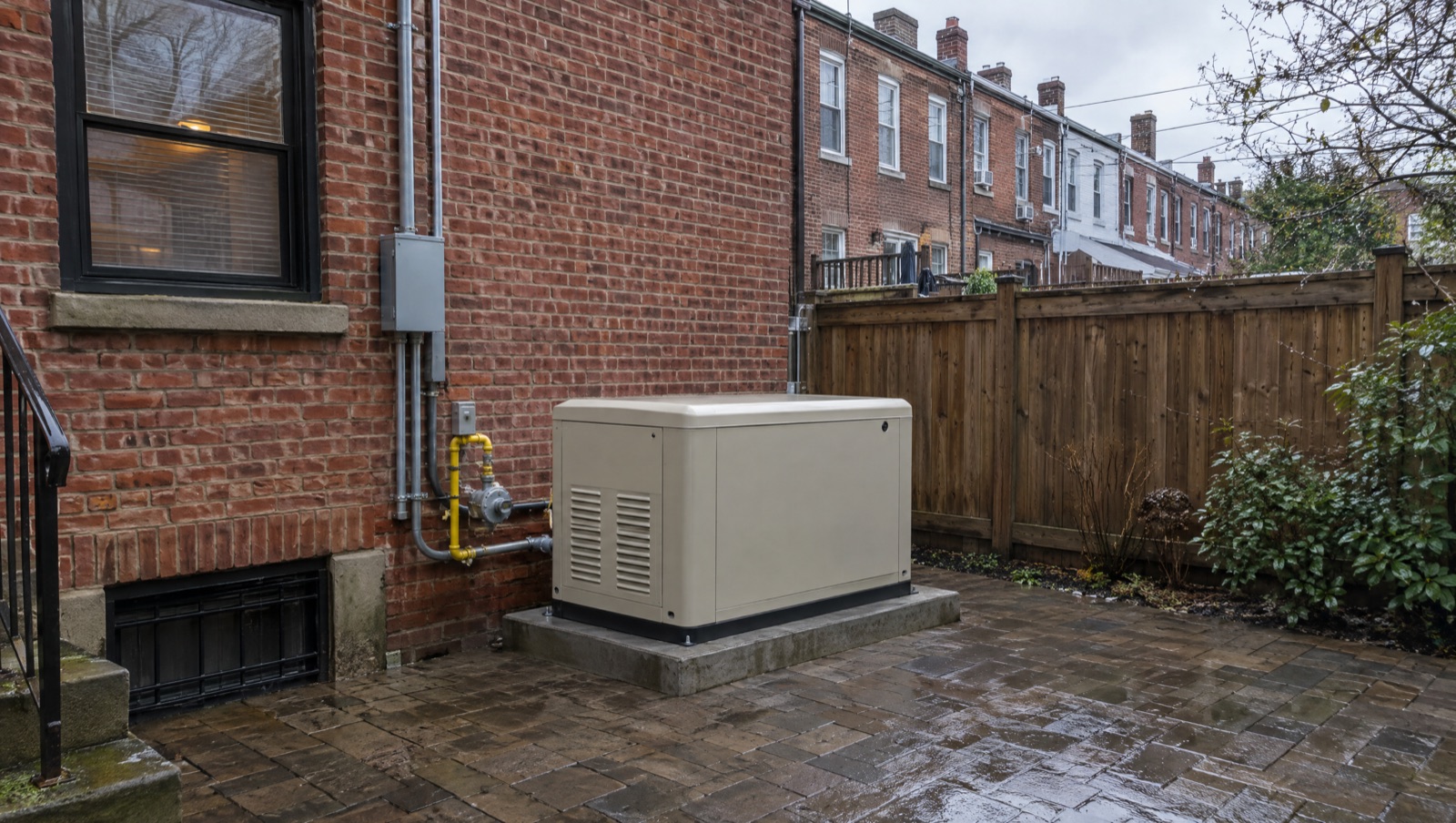
Kings County Electric handles generator installation in Brooklyn for homes, row houses and small buildings. We size the generator to the loads you need to keep running, install automatic and manual transfer switches, connect standby generators to your electrical system, and wire safe inlet hookups for portable generators.
Brooklyn gets its share of summer heat-wave outages, coastal storms and equipment failures on the grid. For a home with a sump pump in a flood-prone basement, medical equipment, a home office or a boiler that will not run without power, backup power is not a luxury. Our electricians plan the installation around your house, your fuel options and the city’s rules, as part of our full residential electrician services.
Standby Generators
Automatic backup that starts within seconds of an outage.
Transfer Switches
Automatic and manual switching, never backfeeding.
Load Sizing
We size for what you actually need to run.
Coordinated Trades
We work with licensed plumbers for gas connections.
Standby vs. Portable Generators
Both can keep the lights on. The right choice depends on what you need to power, how often outages happen where you live, and how hands-on you want to be.
| Feature | Standby Generator | Portable Generator with Inlet |
|---|---|---|
| How it starts | Automatically, through an automatic transfer switch | Manually: you roll it out, start it and plug it in |
| Fuel | Natural gas or propane, connected permanently | Usually gasoline, refueled by hand |
| What it powers | Selected circuits or the whole house, depending on size | A handful of essential circuits |
| Placement | Permanent pad outdoors with required clearances | Outdoors only, well away from doors and windows, during use |
| Best for | Frequent outages, sump pumps, medical needs, home offices | Occasional outages and a smaller budget |
Portable generators must never run indoors, in a basement or in a garage: their exhaust contains carbon monoxide. And a generator must never be connected by plugging it into an outlet or dryer receptacle. That backfeeds the utility lines and can electrocute line workers and damage your equipment. A transfer switch or a listed interlock with a power inlet is the safe, legal way to connect.
Sizing a Generator for Your Brooklyn Home
A generator that is too small trips off when the boiler and refrigerator start at the same time. One that is too large costs more to buy, fuel and maintain. We size the system with a load calculation based on what you want running during an outage, including the starting surge of motors like well pumps, sump pumps and air conditioning compressors.
Many Brooklyn homeowners choose an essential-circuits plan: refrigerator, boiler or furnace controls, sump pump, some lighting and outlets, internet and a few bedrooms. Others want whole-house coverage. If your panel is old or full, we may recommend an electrical panel upgrade first so the transfer equipment has a clean, safe place to connect.
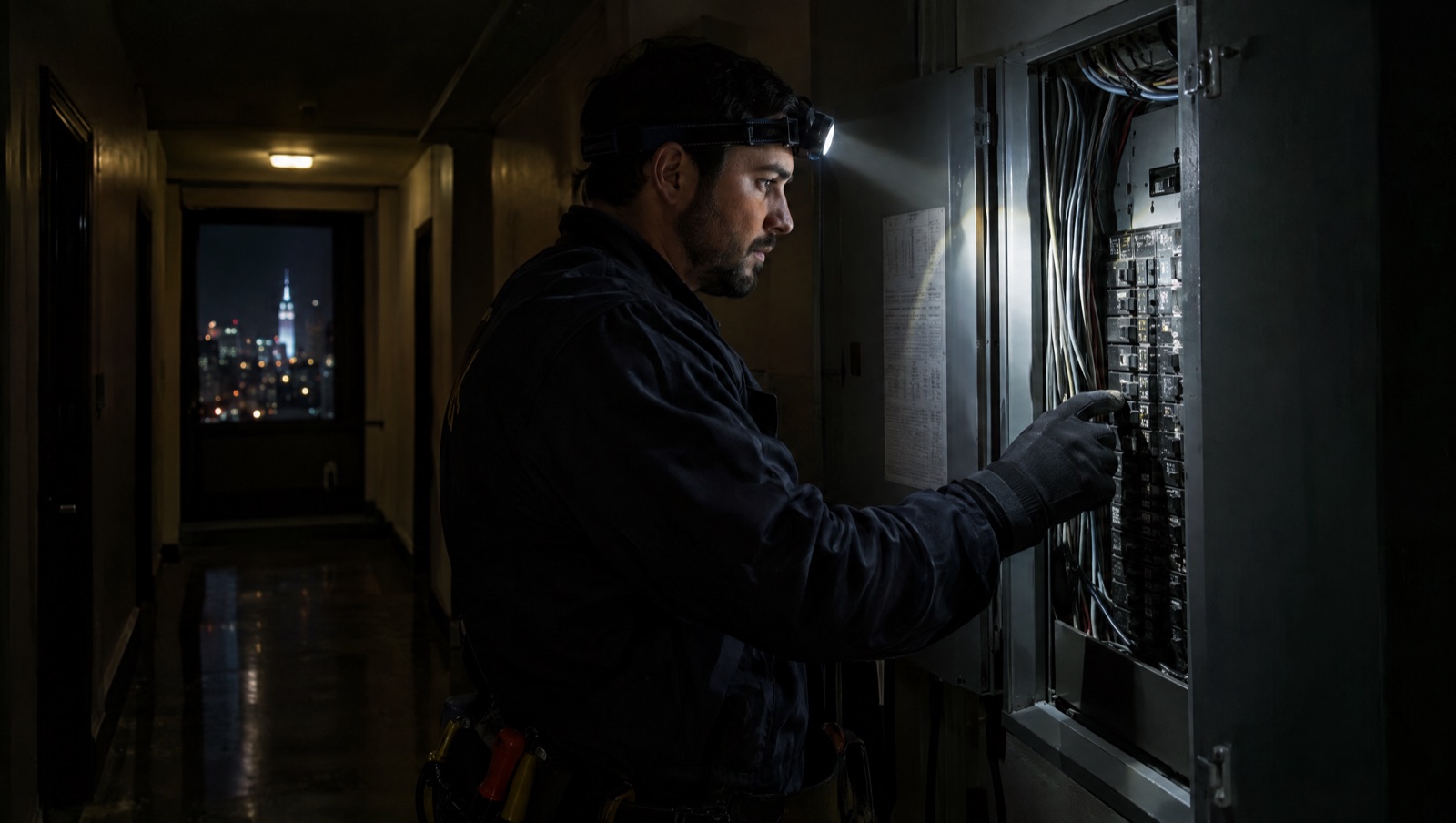
How Our Generator Installation Works
From the first conversation to the first test run, here is what to expect.
Assessment
We review your panel, the circuits you want backed up, available fuel and where a generator or inlet could legally sit on your property.
Sizing and Equipment
We run the load calculation and recommend a generator, transfer switch and installation plan that fits your home and budget.
Permits and Installation
We file the electrical work, coordinate the gas connection with a licensed plumber where needed, set the transfer switch and wire the generator.
Testing and Handover
We simulate an outage, confirm the transfer and the loads, and walk you through operation, exercise cycles and maintenance.
Transfer Switches and Generator Hookups
The transfer switch is the heart of a safe generator installation. It disconnects your home from the utility before connecting it to the generator, so power can never flow back onto the street lines, and it switches back when utility power returns.
Standby generators use an automatic transfer switch that senses an outage, starts the generator and moves your circuits over within seconds. For portable generators, we install a manual transfer switch or a listed interlock on your panel, plus a weatherproof power inlet on the outside wall so you can connect with a single cord.
Placement matters in a dense borough. A standby unit needs a level pad with clearances from windows, doors, vents and property lines that the manufacturer and the codes specify, and gas work must be done by a licensed plumber. We plan all of it before anything is ordered. For businesses, larger standby systems and emergency power distribution are handled by our commercial electrical team.
Common backup power setups we install
- Standby generator with automatic transfer switch
- Portable generator inlet with manual transfer switch
- Panel interlock kit with outdoor power inlet
- Essential-loads subpanel for critical circuits
- Battery backup for sump pumps and medical equipment
- Whole house surge protection for when power returns
Be Ready Before the Next Outage
The best time to plan backup power is on a calm day, not by flashlight. Let’s figure out what you need running and how to get there.
Kings County Electric installs generators and transfer switches across Brooklyn. If you lose power now and need help, call our emergency electricians.
Generator Installation FAQ
Answers to the questions Brooklyn homeowners ask about backup generators. Call (646) 450-9911 to talk through your home.
How much does generator installation cost in Brooklyn?
Cost depends on the generator’s size and fuel type, the transfer switch, the distance from the panel and gas line to the generator location, any panel work, and permits. A portable generator inlet is a much smaller project than a whole-house standby system. We give you a free, upfront quote after assessing your home.
What size generator do I need for my house?
It depends on the loads you want to run during an outage and how they start. A plan for essential circuits needs far less capacity than whole-house coverage. We do a load calculation rather than guessing, so the generator handles your boiler, refrigerator and pumps without tripping.
Do I need a transfer switch for a generator?
Yes, if the generator will power circuits in your home’s wiring. A transfer switch or a listed interlock keeps generator power from backfeeding the utility lines, which protects line workers and your equipment. Plugging a generator into an outlet is dangerous and illegal.
Do I need a permit to install a generator in NYC?
Generator installations involve electrical work and often gas piping, which require licensed trades and filings with the city. Requirements depend on the type of generator, its fuel and location. We handle the electrical permit and coordinate the rest with you before work begins.
Can I put a standby generator in a Brooklyn backyard?
Often, yes, if there is room for a level pad with the required clearances from windows, doors, vents and property lines, plus access for maintenance. Some lots are too tight, and in that case we will tell you and suggest alternatives, such as a portable generator inlet or battery backup.
Can I run my generator in the basement or garage?
No. Generators produce carbon monoxide and must only run outdoors, well away from doors, windows and vents. Make sure your home also has working carbon monoxide alarms.
How long can a standby generator run?
A natural gas standby generator can run as long as the gas supply holds and maintenance intervals are respected. Propane units run as long as the tank has fuel. Portable gasoline generators need regular refueling, which is one reason many homeowners choose standby systems.
Plan Your Generator Installation
Tell us what you need to keep running during an outage and a bit about your home. We will reply with next steps and a free, upfront quote.
Open 24 hours Monday through Saturday. Sunday 8:30 AM to 2 PM. 347 Rogers Ave, Brooklyn, NY 11225.